Colt Python vs S&W 686 Plus: Is the Legend Worth $500 More?
The two best production .357 Magnums you can walk into a store and buy. One carries the most famous name in revolvers and a mirror polish to match. The other carries a seventh round and five hundred spare dollars. This is the nicest problem in wheelguns.
Updated July 2026 · The 686 Plus also faces the Model 66 and GP100 elsewhere in our revolver coverage.
The 686 Plus is the rational buy — seven shots, L-frame durability, superb accuracy, and enough change left over for a case of magnums and a holster. Dollar for dollar, nothing in revolvers beats it.
But the Python is worth it if beauty is part of the purchase. The resurrected Colt's fit, polish, and glass-rod trigger are genuinely a class above, and no safe queen ever appreciated like a Python. You're buying craftsmanship and the name — knowingly, and that's fine.
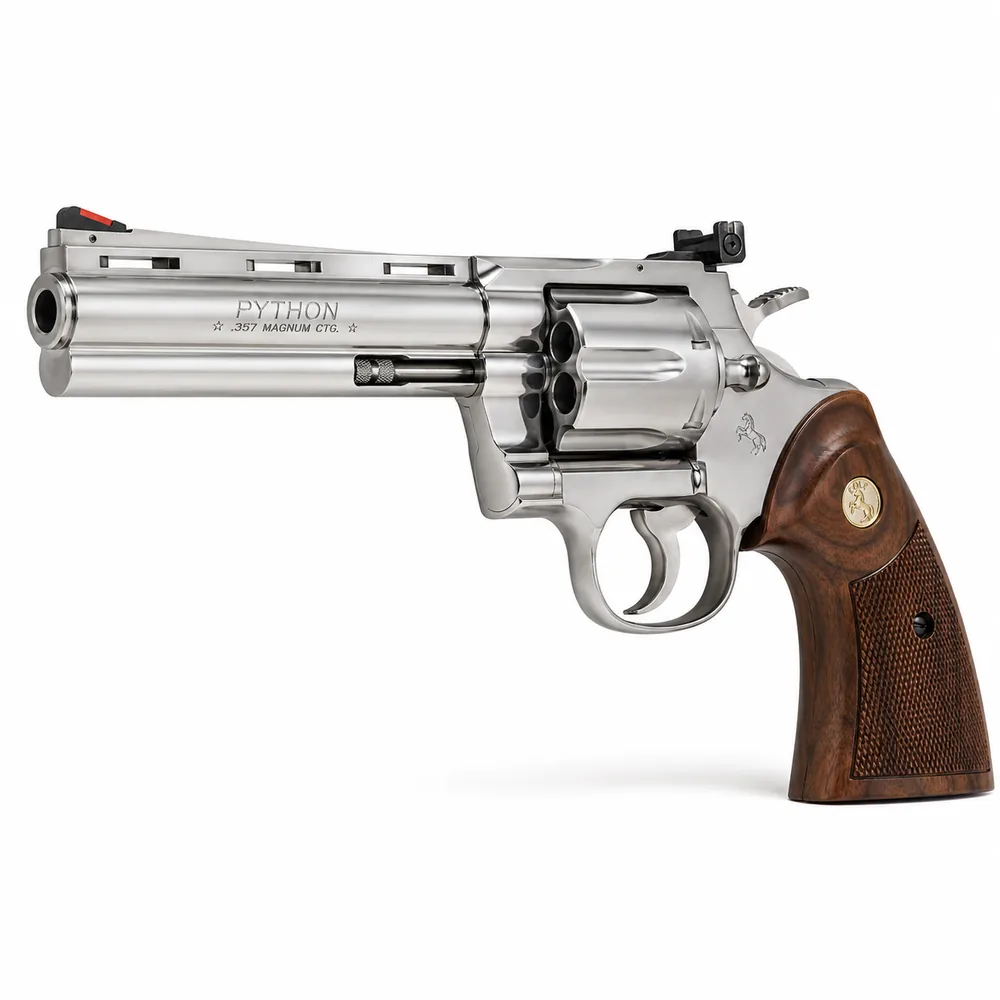
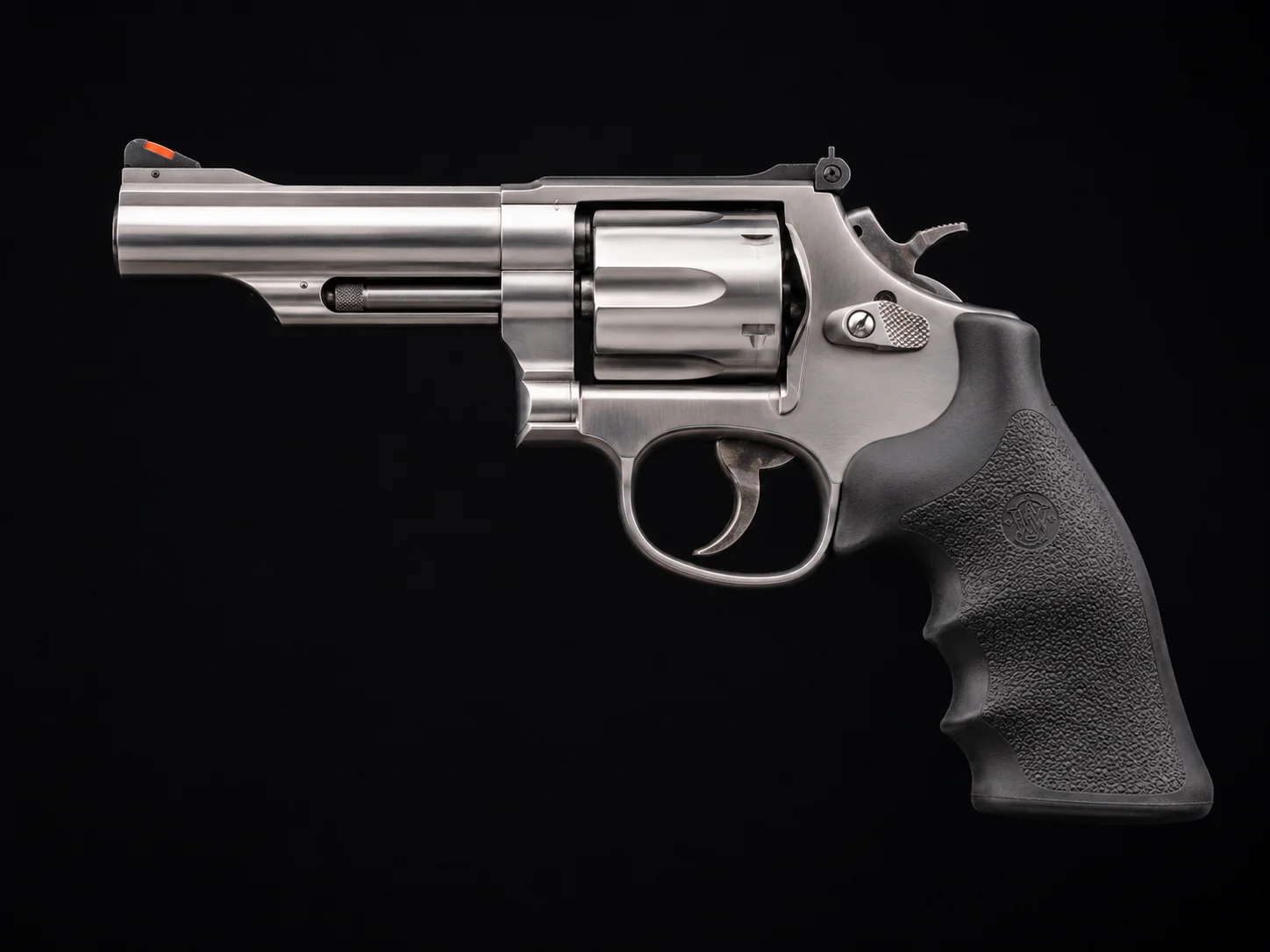
Side-by-Side Specs
| Spec | Colt Python (4.25") | 686 Plus (4") |
|---|---|---|
| Caliber | .357 Magnum / .38 Spl | .357 Magnum / .38 Spl +P |
| Capacity | 6 rounds | 7 rounds |
| Barrel | 4.25" (2.5", 3", 5", 6" available) | ≈4.1" (2.5", 3", 6" available) |
| Weight | ≈42 oz | ≈38–39 oz |
| Finish | Semi-bright polished stainless | Satin stainless |
| Sights | Adjustable rear, red-ramp/orange front | Adjustable rear, red-ramp front |
| Trigger | Exceptional DA and SA — the benchmark | Excellent; classic S&W feel |
| Street price | ~$1,300–1,500 | ~$870–950 |
Both wear walnut-and-steel presence that polymer never will; both digest unlimited full-power magnums by design.
Craftsmanship & The Trigger
The 2020-relaunch Python answered the only question that mattered — is it worthy of the name? — with a redesigned, stronger action under the classic vent-rib silhouette, and the verdict from years of production is yes. The polish runs deeper than the Smith's satin, the barrel's fit is jeweler-tight, and the trigger is the point: a double-action pull that rolls like oil to a break you can't feel coming, and a single-action stage that gunwriters reach for glass metaphors to describe. The 686's trigger is excellent by every normal standard — buttery DA, crisp SA, tunable forever — and only feels like second place in this specific room. Handle both back to back and your finger will explain the price gap better than we can.
The Seventh Round & The Shooting
Smith's answer is practical: one more chamber, four fewer ounces, and mechanical accuracy that gives up nothing on paper — 686s have been winning matches and topping rest-group tests for forty years. The Plus's seventh round matters most if the gun ever wears a defensive hat, and its L-frame has digested more full-house magnums than perhaps any platform in history. At the range the Python's extra weight makes long magnum sessions marginally softer, while the Smith handles a touch quicker; both hold the X-ring all afternoon. Nobody outshoots their skill ceiling with either gun — these are both more accurate than their owners.
Ownership Realities
The 686 is the easier gun to live with: S&W's parts, gunsmiths, aftermarket springs, and grip options are everywhere, and its satin finish shrugs at holster wear. The Python's polish shows every scratch — which matters because Pythons get babied, and babied guns get shot less. Resale flips the ledger: Pythons hold and often gain value with the stubbornness of the name, while 686s hold value merely very well. Buy the Colt partly as an asset and history has been on your side; buy the Smith purely as a tool and arithmetic is.
Price & The Honest Framing
Five hundred dollars separates them, give or take, and here's the honest decomposition: perhaps half of the Python premium buys measurable things — the trigger, the polish, the fitting — and the rest buys the rampant colt on the sideplate. That's not a criticism; icons cost icon money in every hobby humans have invented. Our advice is simply to know which half you're paying for. If the answer is "both, happily," buy the Python and never look back. If the seventh round and a range budget sound better than a name, the 686 Plus remains the smartest money in serious revolvers.
Who Should Buy Which
686 Plus: The shooter
You'll run cases of magnums, maybe stage it for home defense, and you want the most capable .357 per dollar ever made. The rational champion, wearing its title lightly.
Python: The connoisseur
The trigger, the polish, and the name are the product, and you know it. A revolver that shoots superbly, appreciates historically, and makes every range trip feel like an occasion.
Frequently Asked Questions
Is the new Colt Python as good as the originals?
Mechanically it's stronger — the 2020 redesign beefed the action and modern stainless outlasts the old carbon steel — and years of production have settled early teething questions. Collectors will always crown the vintage guns; shooters get the better Python today, at a fraction of vintage prices.
Why does the 686 hold seven rounds and the Python six?
Smith engineered the "Plus" seven-shot cylinder into the L-frame decades into its life; Colt kept the Python's classic six-shot geometry with the resurrection. One extra round is the Smith's quiet everyday advantage, especially if the gun ever serves defensively.
Which is more accurate?
From a rest, they're both more accurate than any human holding them — each will stack full-power magnums into groups that flatter their owner. The Python's trigger makes precision feel easier; the 686's handling makes speed feel easier. Practical accuracy is a tie decided by your hands.
Is the Python worth $500 more than the 686 Plus?
As a shooting tool, no — the 686 matches it where targets are concerned and adds a round. As an ownership experience, often yes: the trigger, polish, name, and historical resale are real assets to the buyer who values them. We lay out the honest split above; only you know which buyer you are.