Taurus G3c vs Ruger Security-9: The Best $300 Defensive Gun
A reliable budget gun you train with beats an expensive gun in layaway — that's this site's founding principle, and these two pistols are its strongest evidence. Here's how to pick between them.
Updated July 2026 · Both pistols are featured in our Best Defensive Handguns Under $300 guide.
The G3c wins for carry — meaningfully smaller, 12+1, second-strike capability, and the aftermarket holster support of a mainstream gun at a budget price.
But buy the Security-9 if this gun is staying home. Its 4" barrel, full grip, and 15+1 capacity make it the easier pistol to shoot well, and for a nightstand role its size costs you nothing.
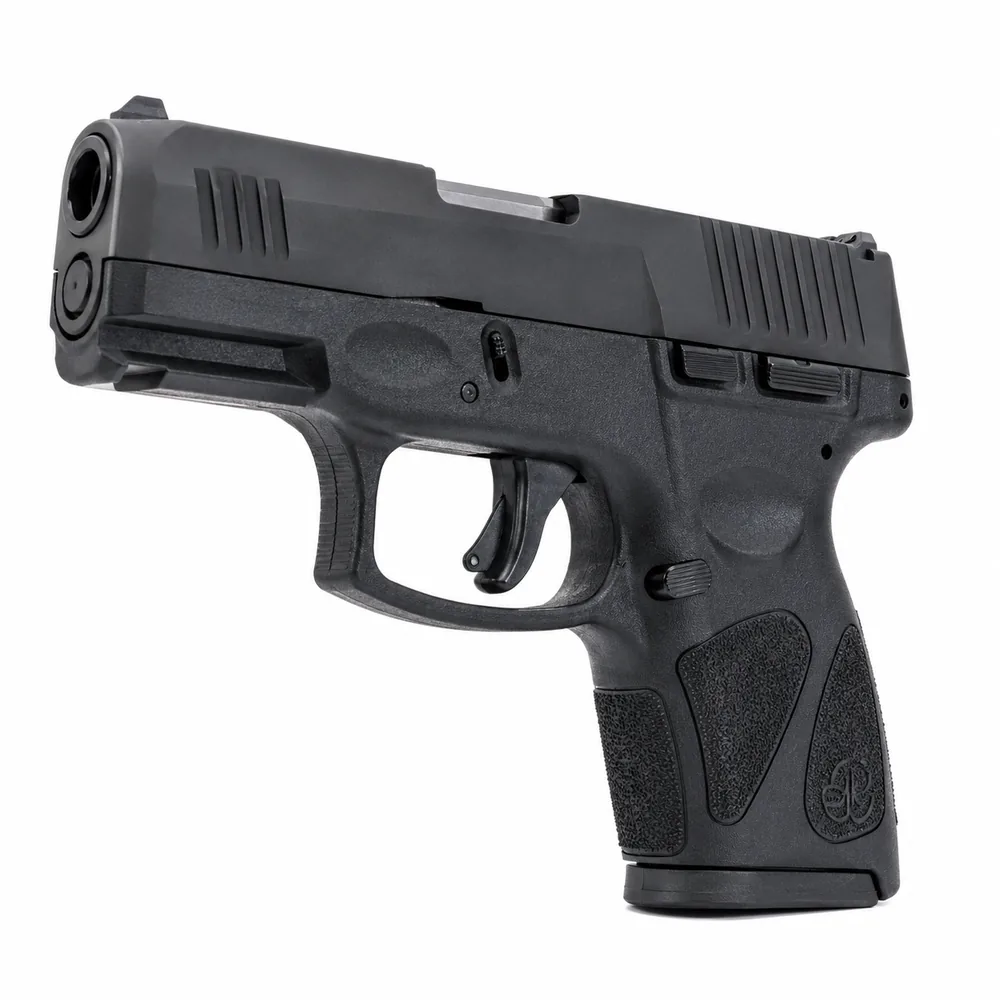
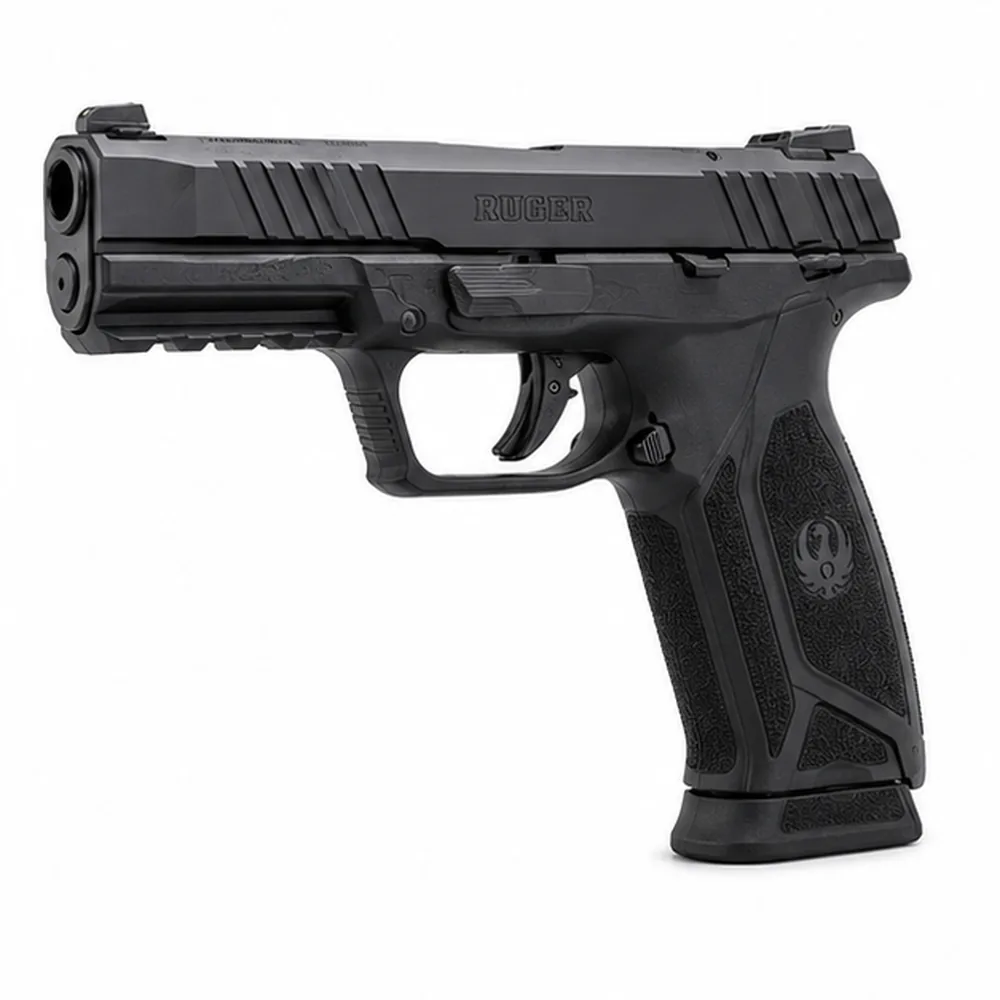
Side-by-Side Specs
| Spec | Taurus G3c | Ruger Security-9 |
|---|---|---|
| Caliber | 9mm | 9mm |
| Capacity | 12+1 | 15+1 |
| Barrel | 3.2" | 4.0" |
| Overall length | 6.3" | 7.24" |
| Height | 5.1" | 5.0" |
| Weight | ≈22 oz | ≈23.7 oz |
| Action | Striker-fired, restrike capable | Secure Action (internal hammer) |
| Manual safety | Yes | Yes |
| Sights | Fixed front, drift-adjustable rear | Drift-adjustable 3-dot |
| Street price | ~$250 | ~$300 |
Different size classes on purpose — this comparison is really a decision about what job the gun is being hired for.
Size & Carry
The G3c is the carry gun here and it's not a contest. An inch shorter overall with a subcompact grip, it vanishes inside the waistband the way the Security-9 simply can't, and because it shares holster patterns with the wildly popular G3 family, quality Kydex costs $30 instead of $80. The Security-9 can be carried — thousands of people do — but it demands a proper gun belt and cover garment, and a gun that's a hassle to carry becomes a gun that stays home. Our rule stands: fit the gun to the person and the mission.
Shootability & Recoil
Flip the podium. The Security-9's 4" barrel, longer sight radius, and full three-finger grip make it distinctly easier to shoot accurately, especially for newer shooters still building fundamentals. Recoil on both is standard 9mm — neither is snappy by micro-compact standards — but the Ruger's extra mass and grip real estate soak it up better across a long range session. The G3c is a competent shooter for its size; the Security-9 is a competent shooter, full stop.
Trigger & Controls
Two genuinely different mechanisms at the same price point. The G3c runs a striker system with single-action feel and restrike capability — hit a hard primer and you can pull the trigger again instead of racking, a legitimately rare feature at any price. The Security-9 uses Ruger's Secure Action, an internal-hammer design with a smooth, slightly longer pull that many shooters coming from revolvers or DA/SA guns find familiar. Both carry frame-mounted manual safeties — unusual for the class — so shooters who want one aren't paying extra, and shooters who don't can leave it disengaged. Neither trigger will be mistaken for a $1,500 gun's, and neither needs to be.
Capacity & Reload
Security-9 by three rounds: 15+1 versus 12+1, a direct consequence of the bigger grip. For a home-defense gun where concealment is irrelevant, that's free capacity — take it. The G3c's 12+1 is excellent for a subcompact and matches guns costing twice as much. Magazines for both are inexpensive and widely stocked, which matters more than people admit at this budget: cheap spare mags mean you'll actually own enough of them to train reloads properly.
Price & Value
You genuinely cannot spend this little and get more gun — from either of them. The G3c's ~$250 street price buys a carry-viable subcompact with features (restrike, decent sights, manual safety) that were $450-gun territory five years ago. The Security-9 asks ~$50 more and returns it in barrel, capacity, and shootability. The honest budget advice: buy whichever fits your mission, then spend the money you saved on 500 rounds of practice ammunition and a range membership. At this price tier, training budget is the upgrade that matters.
Who Should Buy Which
G3c: The budget carrier
You're buying a gun to carry, your budget is real, and you want mainstream holster support with subcompact dimensions. The restrike trigger is a meaningful bonus for a defensive gun, and modern Taurus production has earned back its reputation on this exact model.
Security-9: The home defender
This gun's job is the nightstand, the truck, or the first gun you learn on at the range. The full grip and 4" barrel will make you a better shooter faster, 15+1 is welcome insurance, and Ruger's hammer-fired workhorse design is dated only in the way a hammer is dated.
Frequently Asked Questions
Is the Taurus G3c reliable enough for self-defense?
Modern-production G3c pistols have earned a genuinely improved reputation — Taurus's QC is not what it was a decade ago, and the G3c is the volume seller proving it. As with any defensive gun at any price, run at least 200 trouble-free rounds of your chosen carry ammunition through your specific pistol before trusting it.
Do the G3c and Security-9 both have manual safeties?
Yes — both ship with a frame-mounted manual thumb safety, which makes this matchup unusual in the striker-dominated budget class. If you train with a safety, both accommodate you; if you prefer to carry without engaging it, both function normally that way too.
Which is easier to conceal, the G3c or the Security-9?
The G3c, clearly. It's a subcompact — about an inch shorter overall and shorter in the grip than the full-size Security-9. The Security-9 is concealable with a good holster and belt, but it's a compact/full-size frame and carries like one.
Which is better for a first handgun under $300?
For most first-time buyers who plan to carry: the G3c — smaller, 12+1, restrike capability, and huge holster support. For a dedicated home-defense or nightstand role at this budget: the Security-9's 15+1 capacity, 4-inch barrel, and full grip make it the easier gun to shoot accurately.