Taurus 856 vs S&W 642
Last updated July 18, 2026
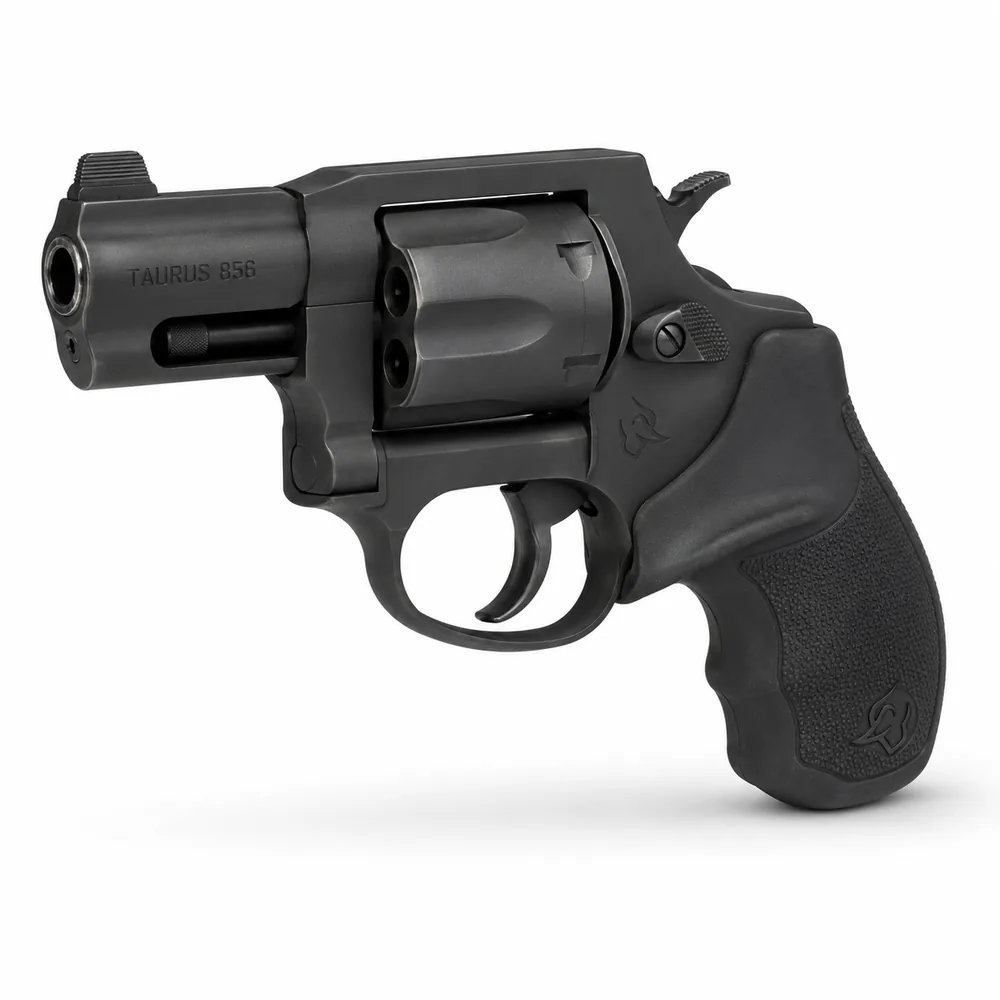
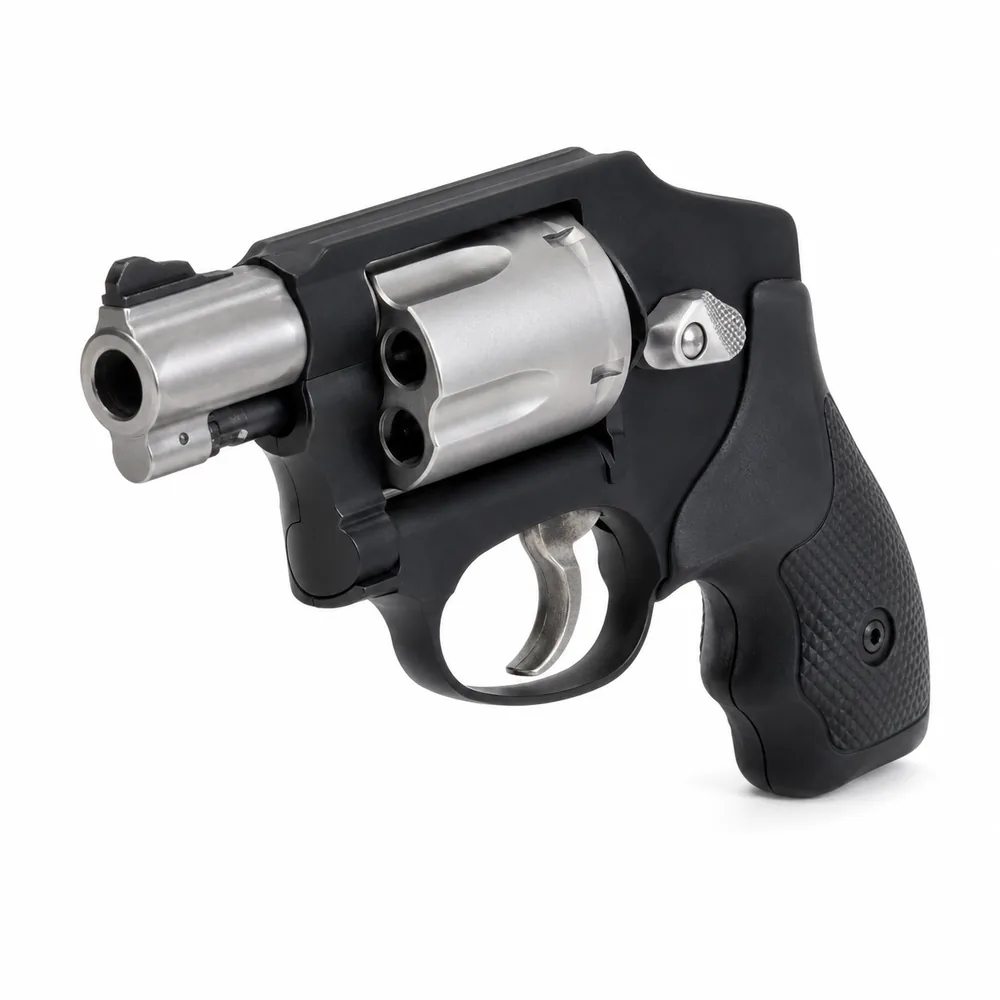
The Verdict
642 for pure concealment, 856 for extra capacity at half the price.
| Spec | Taurus 856 | S&W 642 |
|---|---|---|
| Caliber | .38 Special +P | .38 Special +P |
| Capacity | 6 | 5 |
| Barrel | 2" | 1.87" |
| Weight (empty) | 22 oz | 14.4 oz |
| Action | DA/SA | DAO |
| Width | 1.41" | 1.31" |
| MSRP | ~$300 | ~$480 |
Size & Carry
Both revolvers are built for pocket and ankle carry. The 642 is meaningfully lighter at 14.4 oz thanks to its aluminum alloy frame — almost eight ounces less than the steel-framed 856. That weight difference matters over a full day. The 642 is also slightly narrower and shorter overall. The 856 is still compact enough for daily carry, but the weight adds up in a pocket holster.
The 642's concealed hammer (DAO) eliminates any snag risk when drawing from a pocket. The 856 has an exposed hammer, giving you the option of cocking for a single-action shot but introducing a potential snag point. The 856 CH (concealed hammer) variant solves this but limits you to double-action only, matching the 642.
Shootability & Recoil
Here the 856's extra weight actually helps — it absorbs more recoil, making range sessions and follow-up shots noticeably more manageable. With +P defensive loads, the lightweight 642 can be genuinely punishing to shoot. Many owners describe it as a gun you carry a lot and shoot a little.
The 856's exposed hammer allows single-action shooting, which drops the trigger pull from ~10 lbs to ~4 lbs for deliberate target work. The 642 is double-action only at all times, with a smooth but heavy ~12 lb pull.
Trigger & Controls
The 642's trigger is a benchmark for DAO snubnose revolvers: long, smooth, and stackable. Thousands of dry-fire sessions have proven it breaks in beautifully. The 856's DA trigger is adequate but not as refined — it can feel gritty out of the box, though it smooths with use. In single-action mode, the 856's trigger is clean and crisp.
Neither gun has a manual safety. Both rely on the heavy DA trigger pull as the primary safety mechanism — a design philosophy that makes snubnose revolvers popular for simple, draw-and-fire defensive use.
Capacity & Reload
This is the 856's structural advantage: six rounds versus five. That 20% capacity increase in a similarly sized package is why Taurus developed the 856 in the first place. Both reload via speedloader, but finding 6-round speedloaders for the 856 requires slightly more shopping than the universal J-frame 5-shot loaders.
Realistically, a defensive encounter with a snubnose revolver will be resolved in 2–3 rounds or not at all. But the psychological comfort of an extra round is real, and in a revolver class where every round counts, one more is meaningful.
Price & Value
The price gap is dramatic: the 856 typically runs $280–$320, while the 642 sits at $450–$520. That's 40–60% more for the Smith & Wesson. What you get for the premium is lighter weight, a smoother trigger, and the S&W name — which matters for resale value and holster compatibility (J-frame holsters are everywhere).
The 856 is the rational choice on paper — more capacity, lower price, shootable weight. The 642 is the refined choice — lighter, smoother, better resale. Neither is wrong.
Who Should Buy Which
Buy the Taurus 856 if
you want maximum capacity in a compact revolver, prefer a gun you can practice with comfortably, or need to stay under $350. The extra round and manageable recoil make it the better range and nightstand revolver.
Buy the S&W 642 if
weight is your top priority, you want the smoothest possible DA trigger in this class, or you value the deep J-frame ecosystem of holsters and accessories. It's the quintessential pocket revolver.