Ruger LCR vs S&W 642: The Modern Snub or the Classic?
The pocket-revolver question has had the same two answers since 2009: Smith & Wesson's Airweight tradition, or the polymer upstart with the trigger everyone talks about. Fifteen years on, the answer is clearer than the internet admits.
Updated July 2026 · Both are featured in our Best Revolvers for Self Defense guide.
The LCR is the better shooting instrument — the friction-reducing cam trigger is the best factory DAO pull in any snub, it's the lightest .38 you can buy without exotic metals, and the pinned front sight is replaceable.
But buy the 642 if you value six decades of J-frame maturity: the deepest grip and holster aftermarket in revolvers, timeless lines, and a street price that regularly undercuts the Ruger by $50–100.
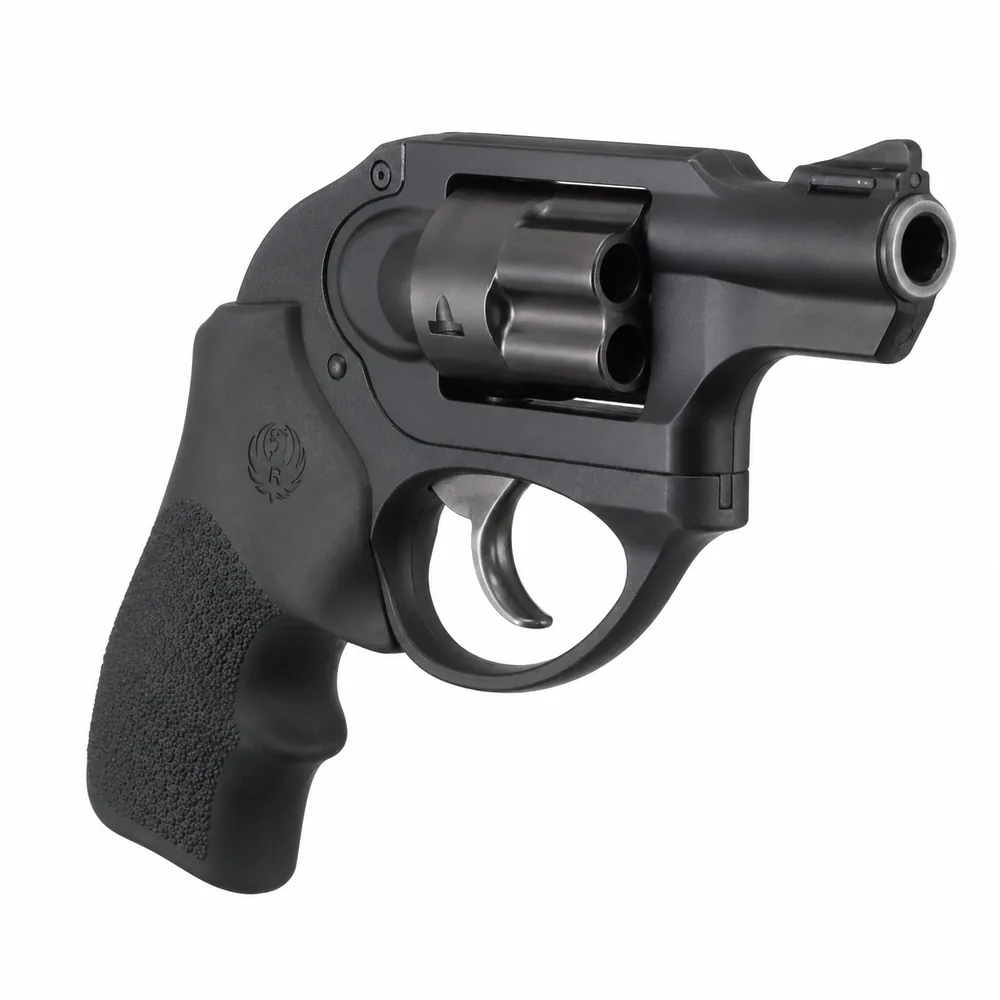
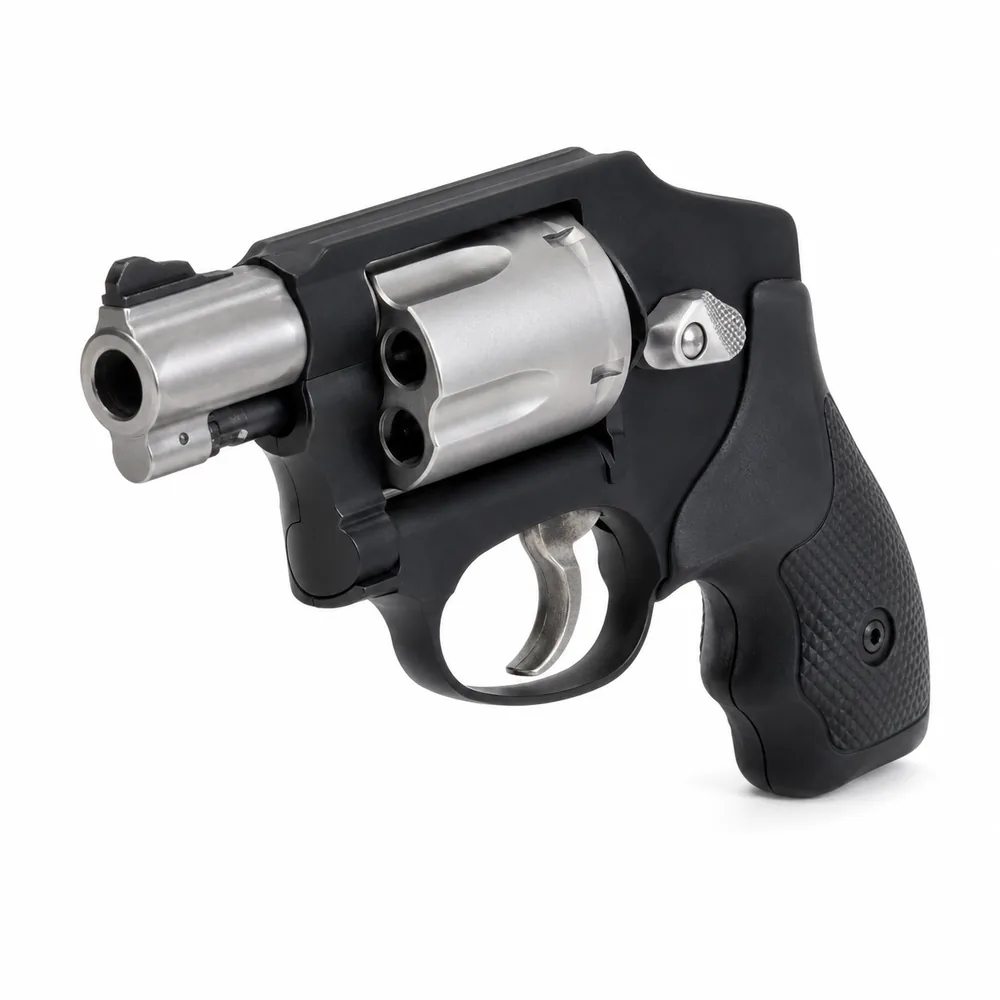
Side-by-Side Specs
| Spec | Ruger LCR | S&W 642 |
|---|---|---|
| Caliber | .38 Special +P | .38 Special +P |
| Capacity | 5 | 5 |
| Barrel | 1.87" | 1.875" |
| Weight | ≈13.5 oz | ≈14.4 oz |
| Action | DAO, enclosed hammer | DAO, internal hammer |
| Construction | Polymer housing / aluminum frame / stainless cylinder | Aluminum frame / stainless cylinder |
| Front sight | Pinned, replaceable | Integral ramp |
| Grips | Hogue Tamer (recoil-absorbing) | Synthetic boot grip |
| Street price | ~$450–550 | ~$400–480 |
Same mission, same payload, same pocket. Trigger and tradition are what you're choosing between.
Size & Carry
Both were born for the pocket and the ankle, and both disappear there. The LCR is about an ounce lighter — the lightest standard-materials .38 made — but its Hogue Tamer grip is chunkier than the 642's boot grip, which some pocket carriers find prints more. That's fixable on either gun: the 642's sixty years of production mean a grip aftermarket the LCR can't touch, from deep-concealment boots to hand-filling combats. Hammerless both, neither will snag a cover garment. Call carry a tie decided by which grip your pocket tolerates.
Shootability & Recoil
Snubs are hard to shoot well — short sight radius, heavy trigger, feather weight against full-power loads — and the LCR softens all three problems at once. The Tamer grip's cushioned backstrap takes real sting out of +P, the replaceable front sight can wear a high-visibility or tritium blade, and the trigger (next section) does the rest. The 642 is the gun the LCR was engineered to beat, and on pure shootability, it loses: gritty-then-smooth trigger, harder-edged grip, and a milled trench-and-ramp sight picture unchanged since the Eisenhower administration. It still shoots to point of aim at defensive distances, as it has for sixty years — but the Ruger makes the same hits easier.
Trigger & Controls
The most lopsided category on this page. Ruger's friction-reducing cam produces a double-action pull that rolls smoothly and progressively to a clean break — shooters coming off J-frames routinely describe the difference as pulling through air versus pulling through wet sand. The 642's factory pull is heavier and stacks near the end; it polishes up beautifully with round count or an inexpensive spring kit, but that's an asterisk the Ruger doesn't need. Controls otherwise are classic revolver simplicity on both — a cylinder release and a trigger — with S&W's push-forward latch feeling more positive to most hands than Ruger's button.
Capacity & Reload
Five and five, speedloader or speed strip either way, and both take the same practice to reload under stress — which is to say, a lot. HKS and Safariland loaders are catalogued for both; the 642's J-frame pattern enjoys slightly wider accessory availability, in keeping with the theme. If capacity is your sticking point, the honest answer isn't a different snub — it's a micro 9mm, and we've compared those too.
Price & Value
The 642 is usually the cheaper gun by $50–100, and J-frame sales can push it lower still. What the LCR premium buys is measurable: the class-best trigger, the lighter frame, the better grip, the upgradeable sight. What the 642's savings buy is also real: the most proven small revolver design in existence, resale that never dies, and an aftermarket that will still be making parts for it in 2066. Our lean: the LCR's advantages show up every trigger pull; the 642's show up over decades of ownership. Buy the Ruger to shoot, buy the Smith to keep — and ideally shoot both first, because snub preference is intensely personal.
Who Should Buy Which
LCR: The performance pragmatist
You're buying one snub to actually train with, and the trigger is the whole game in a double-action-only gun. The lighter weight, cushioned grip, and swappable front sight all serve the same goal: making a hard-to-shoot category easier.
642: The J-frame traditionalist
You want the pocket revolver, the one with sixty years of holsters, grips, and institutional knowledge behind it — at the lower price. You'll put a spring kit or a thousand dry-fires into the trigger and end up somewhere close to the Ruger anyway.
Frequently Asked Questions
Which has the better trigger, the LCR or the 642?
The LCR, decisively — this is the least contested question in the snubnose world. Ruger's friction-reducing cam gives a smooth, progressive double-action pull that shooters routinely describe as the best factory DAO trigger in any small revolver. The 642's pull is heavier and stackier out of the box, though it smooths considerably with use or a spring kit.
Are the Ruger LCR and S&W 642 both rated for +P ammunition?
Yes — both are 5-shot .38 Special revolvers rated for +P defensive loads. Standard advice for both applies: practice mostly with standard-pressure wadcutters or target loads (your hands will thank you in a 13–14 oz gun) and verify your +P carry load's point of impact.
Can you shoot the LCR or 642 from inside a coat pocket?
Both are hammerless double-action-only designs with fully enclosed/internal hammers, so neither has a spur to snag on the draw — the classic reason this category exists. We'll leave tactics to qualified instructors, but snag-free manipulation is the core design feature of both guns.
Why buy a snub revolver instead of a micro 9mm at all?
Simplicity of manual-of-arms: no slide to rack, no magazine to seat, no failure drills beyond pulling the trigger again, and tolerance of contact-distance firing and pocket lint that semi-autos don't share. The trade is 5 rounds, a heavy trigger, and a short sight radius — which is why training matters even more here, not less.