S&W Shield EZ .380 vs Ruger Security-380: The Easy-Shoot Decision
Hand strength is a fit dimension, not a weakness — and these are the two guns the industry built around that truth. One invented the easy-rack category; the other answered with double the capacity for two-thirds the price.
Updated July 2026 · Both are cornerstones of our low-recoil and easy-manipulation coverage.
The Security-380 is the better buy for most easy-shoot shoppers — Lite Rack slide, 15+1 capacity to the EZ's 8+1, a mid-size frame that soaks .380 recoil to almost nothing, and a street price around $100 less.
But buy the Shield EZ if the grip safety is a feature for you (many buyers specifically want it), the slimmer single-stack grip fits smaller hands better, or S&W's finish and trigger polish justify the premium in your hands.
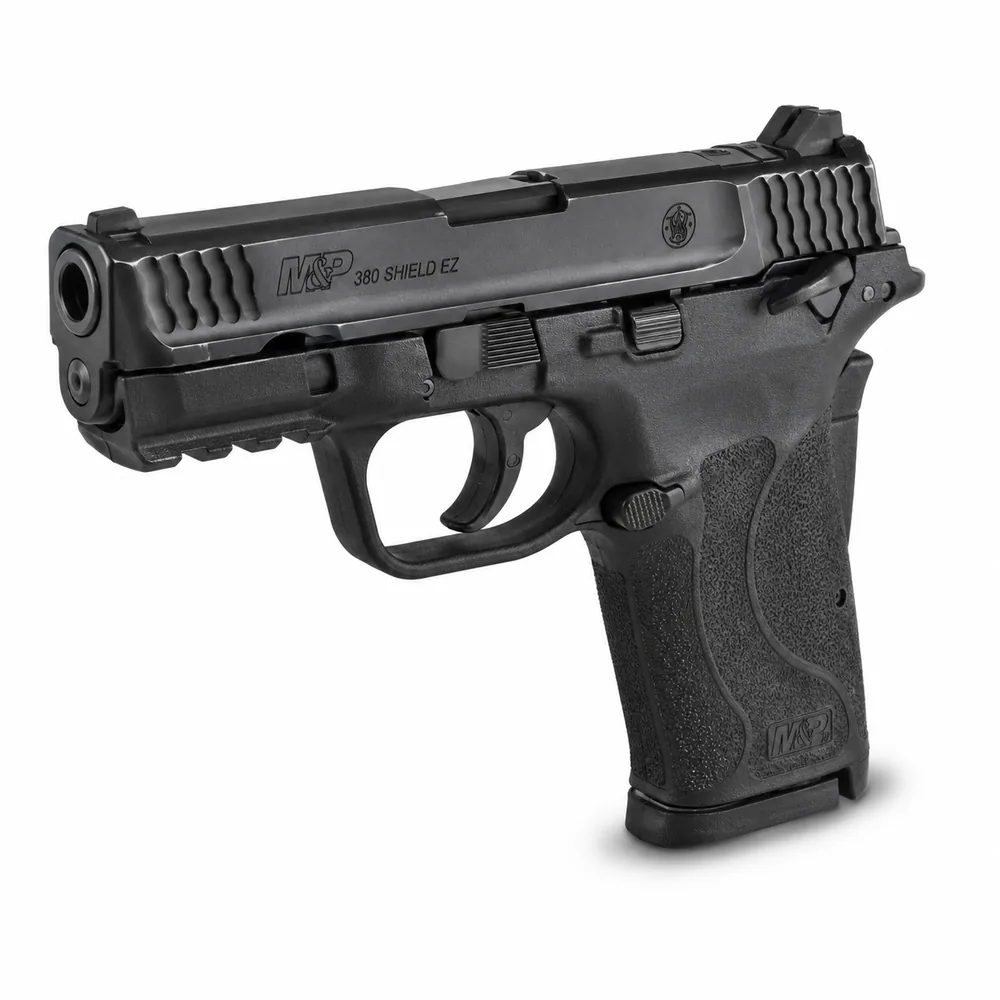
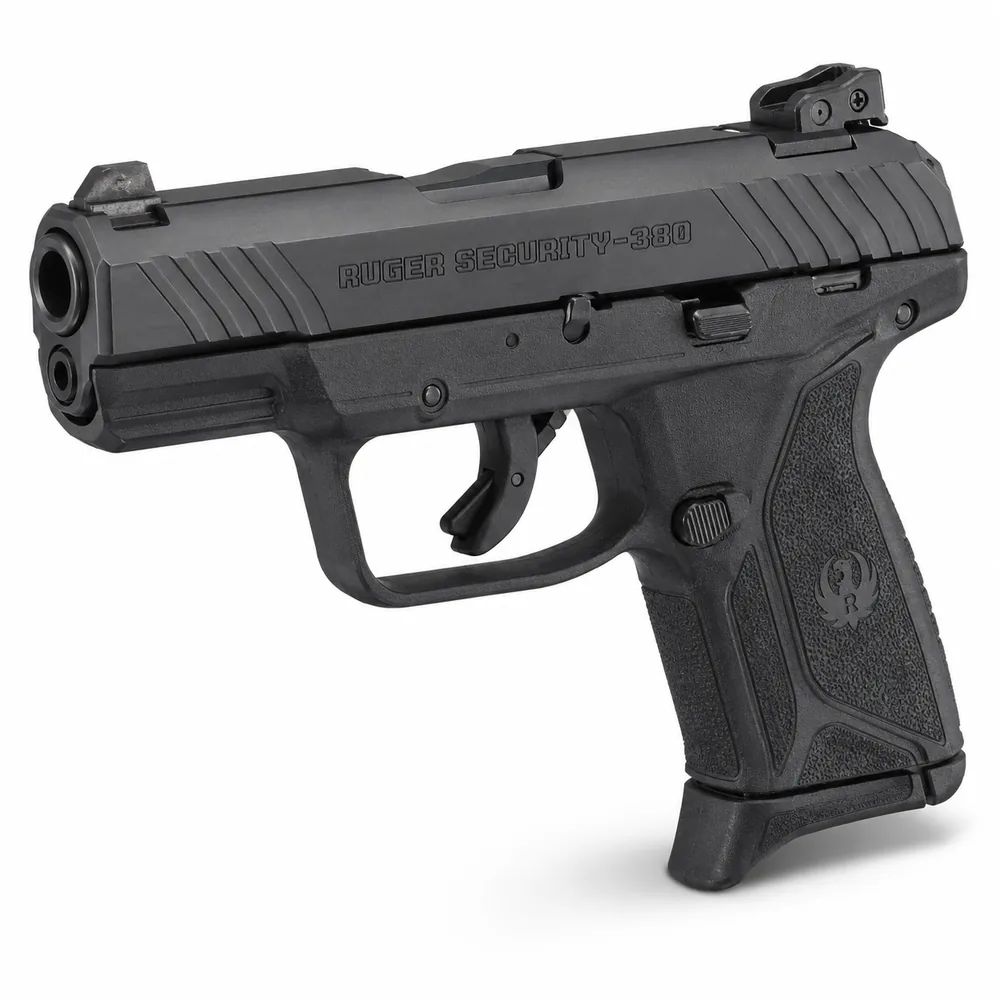
Side-by-Side Specs
| Spec | Shield EZ .380 | Security-380 |
|---|---|---|
| Caliber | .380 ACP | .380 ACP |
| Capacity | 8+1 | 15+1 (10-rd mag also included) |
| Barrel | 3.675" | 3.42" |
| Weight | ≈18.5 oz | ≈19.7 oz |
| Easy-rack system | EZ slide, internal hammer | Lite Rack, internal hammer |
| Grip safety | Yes | No |
| Manual safety | Optional variant | Yes, standard |
| Mag loading aid | Load-assist button | Load-assist button |
| Street price | ~$400–450 | ~$300–330 |
Both use soft recoil springs, internal hammers, and generous slide serrations — the shared recipe that makes racking genuinely easy.
Ease of Manipulation
This is the category's reason to exist, and both deliver. The EZ's slide made S&W famous with arthritis-hands buyers: light spring, big cocking ears, and a magazine with a load-assist button that ends thumb-bruising forever. Ruger's Lite Rack studies that homework and matches it — pull-down cocking ears, light effort, the same assist-button magazines. Testers with limited grip strength manage both; differences come down to individual hands. One honest distinction: the EZ's grip safety must be depressed to fire, which some low-strength or unusual grips fail to engage consistently — a real try-before-buying item — while the Ruger substitutes a conventional thumb safety with no grip-dependency at all.
Shooting Comfort & Recoil
Both fire .380 from 18-plus-ounce mid-size frames, which is the softest centerfire shooting experience commonly sold — closer to a heavy .22 than to a micro .380's snap. The Ruger's slightly greater weight and fuller double-stack grip edge it in flatness; the EZ's slimmer single-stack grip suits smaller hands and those who find fat grips hard to close around. Sights are functional three-dot affairs on both. For flinch-prone, recoil-averse, or new shooters, either gun is a revelation; recommending this pair is the easiest call on the site.
Capacity & Practical Differences
Fifteen-plus-one against eight-plus-one is not a rounding error — the Ruger nearly doubles the payload and ships a compliant 10-round magazine besides. The EZ's counter is deliberate simplicity: a slim gun, fewer rounds, and the grip-safety layer that many of its buyers — often storing a home-defense gun around family — explicitly want. Both take rail-mounted lights; neither base model is optics-ready, which the category's older demographic rarely minds. On support gear the EZ's years of market lead mean more holster options, though the Ruger's catalog has matured well.
Price & Value
Around $100 separates them at street, in Ruger's favor, while the Ruger also carries more and costs less to feed with included magazines. On spec-per-dollar it's decisive. The Smith premium buys the grip-safety architecture, the slimmer ergonomics, and S&W's polish — legitimate purchases if they match your hands and philosophy, but purchases all the same. Our default recommendation starts with the Ruger and moves to the EZ when the fit or the grip safety says so.
Who Should Buy Which
Security-380: The value maximalist
You want the easiest-shooting centerfire package with the most capacity for the least money — 15+1, Lite Rack, thumb safety, ~$310. The rational default in the easy-shoot class.
Shield EZ .380: The fit-and-philosophy buyer
The slim grip fits your hand, the grip safety fits your household's comfort level, and the category originator's refinement is worth the premium to you. Still excellent at what it invented.
Frequently Asked Questions
Which is easier to rack, the Shield EZ or Security-380?
They're the two easiest slides in centerfire pistols, and individual hands decide the winner. Both use light springs, tall rear cocking ears, and internal-hammer designs. If possible, try both in a shop — thirty seconds of racking tells you more than any review.
Is the Shield EZ's grip safety a problem?
For most people, no — it's a selling point. But shooters with weak grips or unconventional holds occasionally fail to depress it fully, preventing firing. If that describes your hands, the Security-380's conventional thumb safety removes the variable entirely.
Why does the Security-380 cost so much less?
Ruger built it on the existing Security-9 platform and priced it to win the category — around $300–$330 street with two magazines. It's aggressive pricing on a full-featured gun, not a corners-cut compromise.
Are these guns good for shooters with arthritis?
They're the two best answers the industry has produced: easy slides, soft .380 recoil from full-size grips, and magazines with load-assist buttons. Pair either with quality .380 hollow points and unhurried practice, and hand strength stops being a barrier to armed self-defense.