Ruger Wrangler vs Heritage Rough Rider: The Fun-Per-Dollar Title
Between them, these two cheap .22 single-actions have put more first-time revolver shooters on the range than everything else combined. One costs as little as a nice dinner out; the other costs a little more and is built like a Ruger. The right answer depends on what "cheap" means to you.
Updated July 2026 · Cowboy rimfires are pure trainers and pure fun — treat them with the same four rules as everything else.
The Wrangler is worth its premium for most buyers — a zinc-and-steel gun built on Ruger's Single-Six lineage with a transfer-bar safety, cerakoted finish, and the fit quality that makes a revolver feel like a revolver.
But buy the Rough Rider if the budget stops at $150, you want the .22 WMR combo-cylinder option (a genuinely great feature the base Wrangler lacks), or you're arming a whole family for plinking afternoons where two Rough Riders cost one Wrangler.
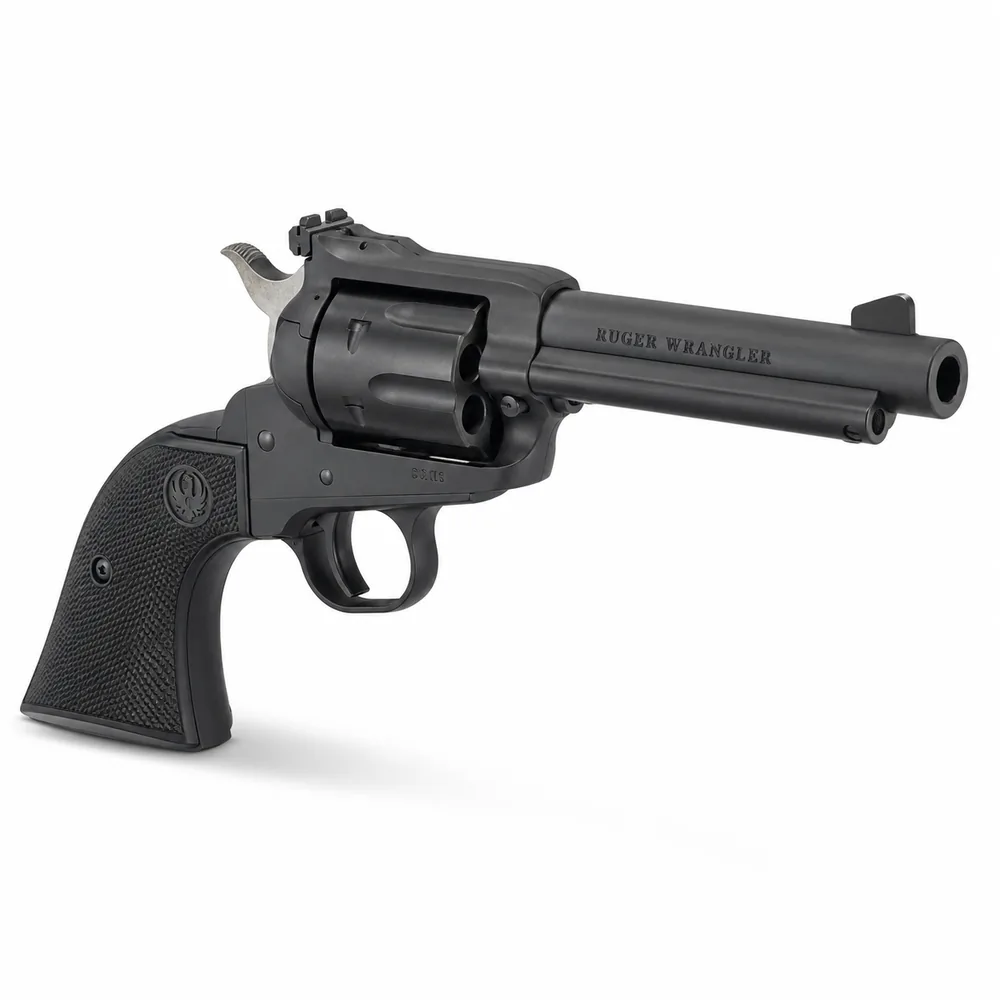
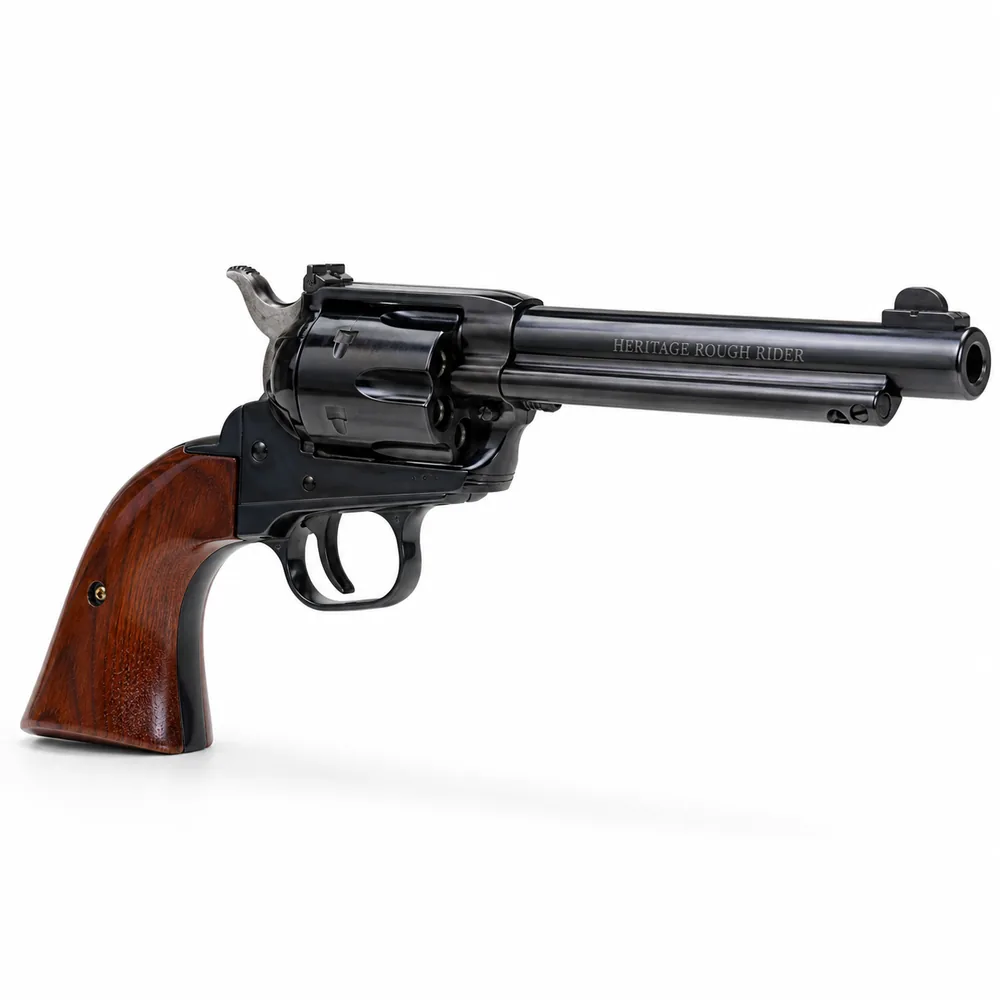
Side-by-Side Specs
| Spec | Ruger Wrangler | Heritage Rough Rider |
|---|---|---|
| Caliber | .22 LR | .22 LR (.22 WMR combo cylinders available) |
| Capacity | 6 rounds | 6 rounds |
| Barrel | 4.62" (3.75" & 7.5" available) | 4.75" (many lengths, 3.5"–9") |
| Frame | Aluminum, cerakote; steel cylinder | Aluminum alloy; steel cylinder |
| Weight | ≈30 oz | ≈31–33 oz |
| Safety system | Transfer bar (safe fully loaded) | Manual hammer-block lever |
| Sights | Fixed, Single-Six pattern | Fixed (adjustable on some models) |
| Street price | ~$200–250 | ~$130–180 |
The Rough Rider's manual safety lever is un-cowboy but practical; the Wrangler's transfer bar means all six chambers can be safely loaded — the traditional single-action "hammer down on empty" rule doesn't apply.
Build & Feel
Pick both up and the price gap explains itself. The Wrangler is a real Ruger — its architecture descends from the Single-Six, its cylinder locks up with authority, its cerakote wears honestly, and its action strokes with the oiled-clock feel that makes single-actions addictive. The Rough Rider is lighter-duty everywhere: more casting, looser fit, a finish that's more paint than armor. None of that stops it working — Heritage has shipped millions and they mostly just run — but the Ruger feels like a firearm you'll hand to a grandchild, and the Heritage feels like the price you paid. Both statements are compliments in context.
Shooting & Features
At the range they're closer than the hardware suggests: both are soft, quiet, all-afternoon plinkers with the deliberate load-one-eject-one rhythm that makes single-actions the best patience teachers in shooting. Triggers on both break light and clean, as single-actions do. The Heritage claws back real points on features: its .22 WMR combo-cylinder models swap to magnum rimfire in seconds — doubling the gun's range and fun for $30 more — and its barrel-length catalog runs from birdshead snubs to Buntline silliness. Ruger's answer is the transfer-bar safety (load all six, drop it in a pack, no worries) and Single-Six-pattern support. Feature list: Heritage. Feature quality: Ruger.
The Training Angle
Don't let the cowboy cosplay fool you — these are legitimate trainers. Single-action manipulation teaches deliberate cocking, front-sight patience, and one-shot accountability better than any semi-auto, and .22 pricing means a hundred rounds of that discipline costs pocket change. For introducing new or young shooters under supervision, the slow manual-of-arms is a safety feature: nothing happens fast on one of these. Either gun serves this mission fully; the Wrangler's transfer bar just removes one safety-rule asterisk from the lesson.
Price & Value
The Rough Rider at $130–$180 is the cheapest real firearm in America worth owning, and at that price criticism gets quiet. The Wrangler's $70-ish premium buys build quality you feel on every cock of the hammer and a gun that holds resale where the Heritage largely doesn't. Our default: pay for the Ruger. Grab the Heritage when the budget is truly hard-capped, when you want the WMR combo, or when you're buying plinkers by the pair.
Who Should Buy Which
Wrangler: The buy-it-once plinker
You want Ruger build at a budget price, the transfer-bar safety, and a fun gun that still feels like quality in the hand a decade from now. The extra $70 is the best money in rimfire.
Rough Rider: The absolute-floor buyer
Maximum cowboy fun for minimum money, the .22 WMR combo option, or outfitting several shooters at once. It's exactly as good as it costs, and it costs almost nothing.
Frequently Asked Questions
Is the Heritage Rough Rider safe to carry fully loaded?
Use its manual safety lever if you do — unlike the Wrangler, the Rough Rider lacks a transfer bar, so traditional single-action practice (hammer down on an empty chamber, or safety engaged) applies. The Wrangler's transfer bar makes all-six loading safe by design.
What's the .22 WMR combo cylinder everyone mentions?
Many Rough Rider models ship with a second cylinder chambered in .22 Magnum — swap it in seconds and the same gun fires the hotter rimfire. It's the Heritage line's best feature and something the standard Wrangler doesn't offer.
Are these guns any good for self-defense?
They're trainers and plinkers, not defensive tools — slow single-action operation and rimfire ignition make far better choices available at every budget, including the centerfires in our under-$300 coverage. Buy these for skills and joy; buy defense elsewhere.
Wrangler or Rough Rider for a first gun ever?
Either introduces shooting beautifully — cheap ammo, gentle recoil, and a deliberately slow manual of arms that keeps new shooters thoughtful. Pay for the Wrangler if you can; its build quality and transfer-bar safety make the better long-term companion.