Colt Python vs Ruger GP100
Last updated July 18, 2026
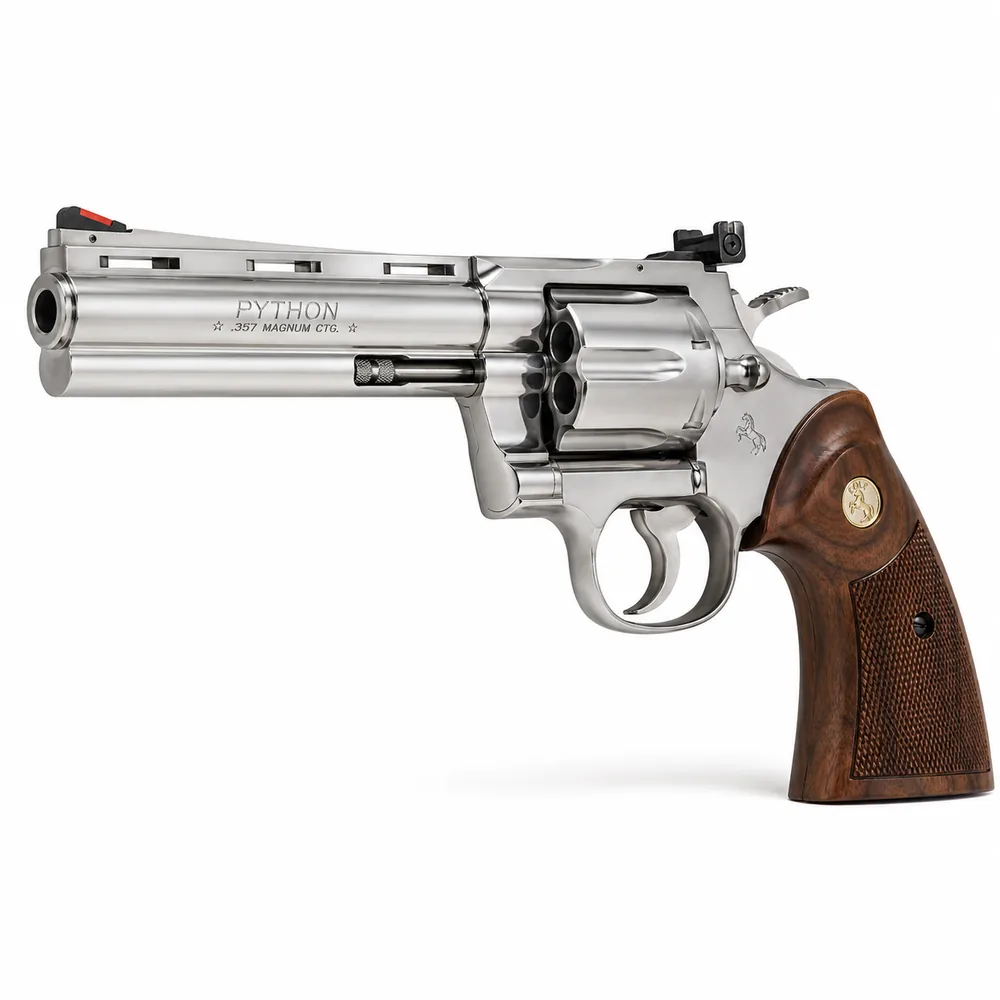
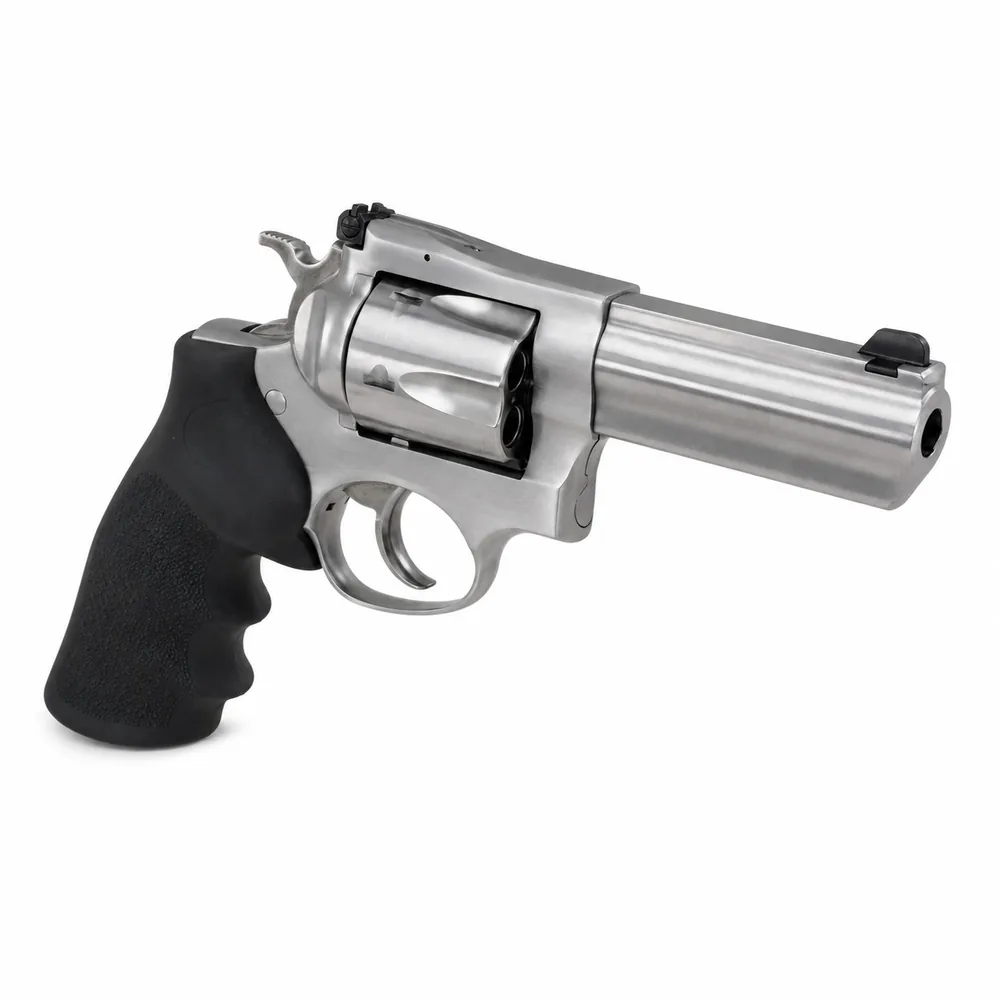
The Verdict
GP100 for a hard-use .357 you'll actually shoot; Python for the finest trigger in a production revolver.
| Spec | Colt Python | Ruger GP100 |
|---|---|---|
| Caliber | .357 Mag / .38 Spl | .357 Mag / .38 Spl |
| Capacity | 6 | 6 (7 in some configs) |
| Barrel Options | 3", 4.25", 5", 6" | 2.5", 4.2", 5", 6" |
| Weight (4" barrel) | 42 oz | 40 oz |
| Action | DA/SA | DA/SA |
| Frame | Stainless steel | Stainless steel |
| MSRP | ~$1,400 | ~$800 |
Size & Carry
Neither of these is a carry revolver in the modern sense — they're medium-to-large-frame .357s built for the range, the nightstand, and the field. Weight runs 38–46 oz depending on barrel length. If concealment matters, look at the GP100's 2.5-inch model or step down to the SP101 or LCR entirely.
In terms of physical dimensions, they're very close. The Python's fit and finish make it feel more streamlined, but the GP100's slightly chunkier grip frame actually helps manage heavy magnum recoil.
Shootability & Recoil
The Python's legendary smoothness comes from its leaf-spring-driven action — the double-action pull builds gradually and breaks cleanly. The GP100 uses coil springs, which are functionally indestructible but produce a heavier, more abrupt trigger pull out of the box. Both handle .357 Magnum recoil well at this weight class.
For sustained magnum shooting, the GP100 has an edge in durability: Ruger designed it to handle an unlimited diet of full-power .357 loads. The Python is no fragile thing, but it was engineered with more emphasis on precision than brute-force endurance.
Trigger & Controls
This is where the Python earns its premium. The factory DA pull is widely considered the smoothest production revolver trigger available today — lighter, more consistent, and more predictable than the GP100's. In single-action, the Python breaks like glass. The GP100's trigger is serviceable and improves with a spring kit, but it won't match the Python without significant gunsmithing.
Both feature exposed hammers, adjustable rear sights, and traditional cylinder releases (push-forward on the Python, push-in on the GP100). The Python's fit tolerances are tighter, which contributes to both the trigger quality and the gun's reputation for accuracy.
Capacity & Reload
Standard capacity is 6 rounds on both. However, select GP100 models offer 7-round cylinders — a meaningful advantage if you're comparing specific configurations. Speedloader and moonclip compatibility varies by model. The Python's cylinder latch direction (push forward) is different from S&W-pattern revolvers, which takes adjustment if you're trained on Smith wheelguns.
Both eject empties cleanly with a firm stroke of the ejector rod. Neither has a significant edge in reload speed.
Price & Value
The Python costs nearly double the GP100 — roughly $1,400 versus $800 at retail. That premium buys you a demonstrably superior trigger, tighter machining tolerances, better factory finish, and the Colt name. What it doesn't buy is better reliability, more durability, or more practical accuracy at defensive distances.
The GP100 is the revolver you buy to shoot. The Python is the revolver you buy to appreciate shooting. Both are honest choices — the question is what you value more.
Who Should Buy Which
Buy the Colt Python if
trigger quality and craftsmanship are your priorities, you want the finest factory DA revolver currently in production, or you're a collector who also shoots. The Python rewards marksmanship with precision.
Buy the Ruger GP100 if
you want a .357 Magnum that thrives on heavy use, don't want to worry about putting thousands of magnum rounds through it, or prefer to invest the $600 savings into ammunition and range time.