CZ P-10 C vs Walther PDP Compact
Last updated July 18, 2026
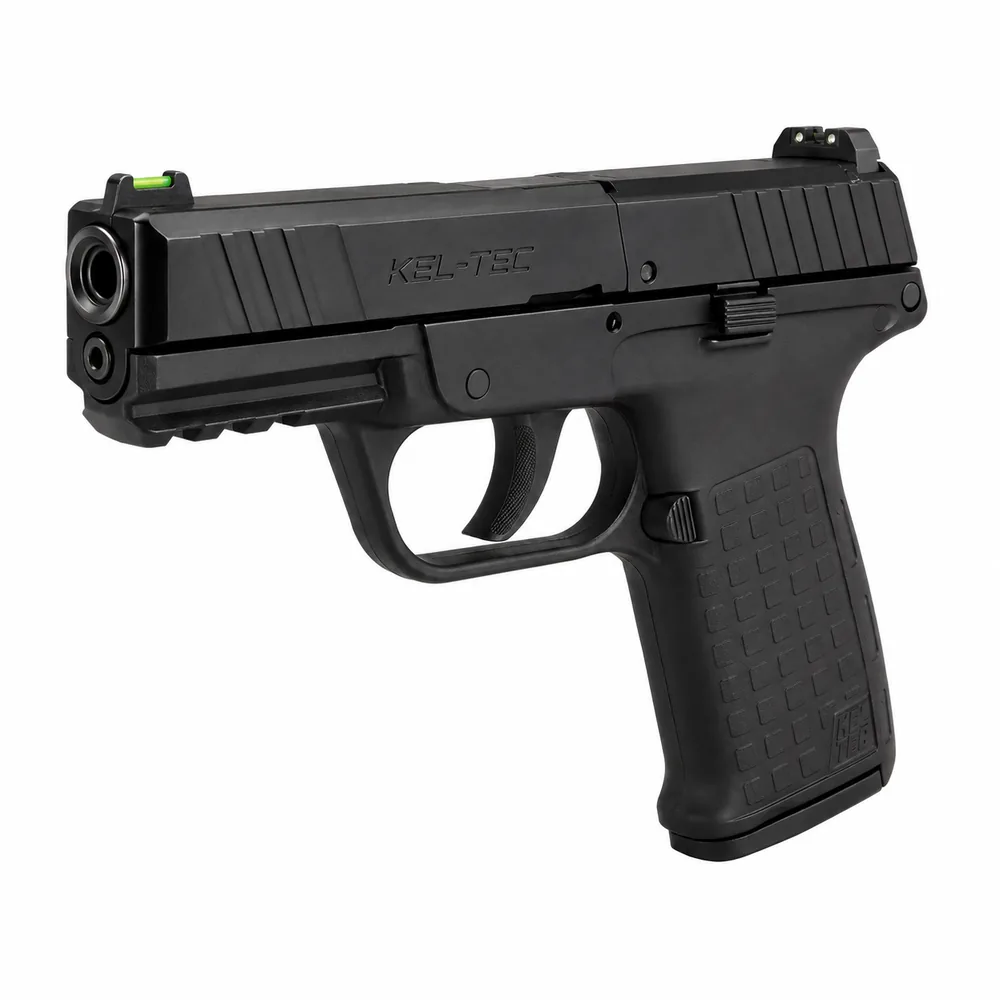
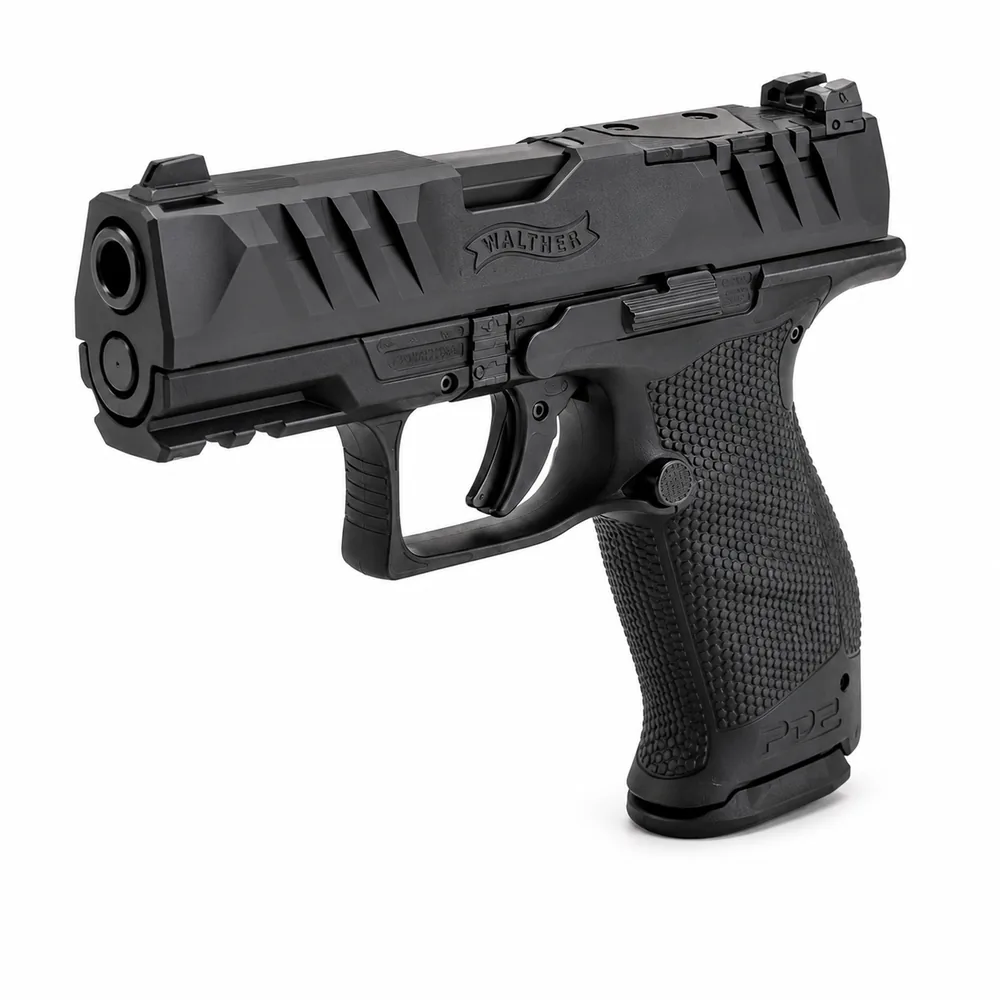
The Verdict
PDP for the trigger and ergonomics; P-10 C for the lower price and natural pointability.
| Spec | CZ P-10 C | Walther PDP Compact |
|---|---|---|
| Caliber | 9mm | 9mm |
| Capacity | 15+1 | 15+1 |
| Barrel | 4.02" | 4.0" |
| Weight (empty) | 26 oz | 24.4 oz |
| Overall Length | 7.3" | 7.4" |
| Width | 1.26" | 1.34" |
| Trigger | Striker-fired | Performance Duty Trigger |
| MSRP | ~$400 | ~$600 |
Size & Carry
Nearly identical external dimensions — both are compact-class pistols sized to compete with the Glock 19. The CZ is slightly heavier at 26 oz versus the PDP's 24.4 oz, due to its denser frame construction. Both conceal equally well in a good holster.
The CZ's grip texture is aggressively stippled and highly praised — it feels secure without being painful. The PDP's tetrahedron Performance Duty Texture is more refined but equally effective. Grip angle is where they diverge: the CZ sits at a natural, nearly 1911-like angle that many shooters find intuitive for point shooting.
Shootability & Recoil
Both guns are above-average shooters in the compact class. The CZ's slightly heavier frame absorbs recoil marginally better, and its low bore axis produces minimal muzzle flip. The PDP matches this with its own low bore axis design. In blind split-time tests, the two are functionally equivalent.
Extended range sessions favor both guns — neither develops hot spots or fatigue-inducing ergonomic issues. The CZ's deep trigger guard undercut allows an exceptionally high grip that aids control.
Trigger & Controls
The PDP's trigger is the better of the two — and both are already well above average. The PDP breaks cleaner, resets shorter, and feels more consistent from shot to shot. The CZ P-10 C's trigger is excellent by any standard — crisp break, reasonable reset — but the PDP's is simply in a different league.
Both are optics-ready in their OR variants. The CZ P-10 C OR uses a plate system; the PDP has its own plate system. Both support major red dot footprints. The CZ has a slight edge in suppressor-height sight availability.
Capacity & Reload
Matched at 15+1. CZ magazines are well-made but less ubiquitous than Glock or even Walther mags. The PDP's magazines are similarly high-quality and proprietary. Neither has a magazine compatibility advantage.
Both feature reversible magazine releases and functional magazine wells. Reload mechanics are smooth on both platforms.
Price & Value
The CZ P-10 C is the value play at roughly $380–$430 — one of the best triggers in the compact class for the price of a budget gun. The PDP sits $150–$200 higher. The PDP's trigger justifies part of that premium, but the CZ's trigger-to-price ratio is hard to beat.
CZ's US support (via CZ-USA in Kansas City) is excellent. Walther's support through their US operations is similarly strong. Neither brand leaves you hanging on warranty issues.
Who Should Buy Which
Buy the CZ P-10 C if
you want one of the best compact 9mm values available, prefer the CZ grip angle and aggressive texture, or want a proven platform at a price that leaves budget for a quality holster and ammo.
Buy the Walther PDP Compact if
trigger quality is the non-negotiable, you want the Performance Duty Texture and Walther's ergonomic engineering, or you're building a match-capable compact and want the best factory trigger as your starting point.